

India is not a country; it is a continent of cultures, languages, cuisines, and landscapes. From the snow-crowned Himalayas in the north to the sun-drenched beaches of the south, and from the arid salt marshes of the west to the dense, misty forests of the east, a lifetime of travel could barely scratch the surface of this vibrant nation.
For the traveler seeking the absolute essence of India—the historical, spiritual, natural, and contemporary heart—certain destinations stand out. These are the places that define the Indian experience, offering profound lessons in history, beauty, and resilience.
We have curated the ultimate bucket list: 30 places that every global traveler, cultural enthusiast, and adventure seeker simply must visit to truly understand the soul of India.
Section I: The Majestic Himalayan North (Mountains & Spirituality)
The northern frontier is dominated by the Himalayas, offering a blend of ancient spirituality, rugged adventure, and unparalleled natural beauty. These five spots define the awe-inspiring altitude of India.
1. Ladakh (Pangong Tso & Monasteries)

Ladakh, the land of high passes, offers a stark, cold desert landscape unlike anywhere else on Earth. The must-visit is Pangong Tso (Lake), famous for its dramatic color changes from azure to emerald, surrounded by barren mountains. Ladakh’s spiritual core is found in its magnificent Buddhist monasteries (gompas) like Hemis and Thiksey, which cling precariously to the cliffsides, offering a window into Tibetan culture and profound high-altitude tranquility.
- Why it’s a Must-Visit: For the ultimate high-altitude adventure and witnessing a surreal, color-changing natural phenomenon.
2. Manali & Solang Valley, Himachal Pradesh
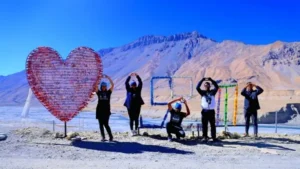
Nestled in the Beas River Valley, Manali serves as both a picturesque hill station and the gateway to high mountain passes like Rohtang. The adventure heart of the area is Solang Valley, famous for its year-round outdoor sports, including paragliding, zorbing, and skiing. Manali offers a vibrant mix of traveler culture in Old Manali and stunning natural beauty, making it a perfect base for Himalayan exploration.
- Why it’s a Must-Visit: The blend of scenic beauty with high-adrenaline sports like paragliding and the bohemian atmosphere.
3. Rishikesh, Uttarakhand
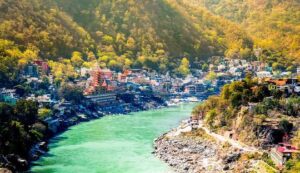
Known as the “Yoga Capital of the World,” Rishikesh sits where the sacred Ganges River flows down from the Himalayas. It’s a global center for yoga, meditation, and spiritual learning, but it also packs an epic punch for adventure seekers. White-water rafting on the fast-flowing Ganga, bungee jumping, and trekking define the adventurous side. The beautiful evening Ganga Aarti ritual on the banks combines the city’s spiritual and energetic sides.
- Why it’s a Must-Visit: The unique combination of extreme adventure sports and deep spiritual practice.
4. Dharamshala & McLeod Ganj, Himachal Pradesh
This twin-town destination is the spiritual home of the Dalai Lama and the seat of the Tibetan government-in-exile. McLeod Ganj (Upper Dharamshala) is a vibrant hub of Tibetan culture, offering a peaceful atmosphere, excellent cafes, and profound insights into the Tibetan struggle. Visiting the Tsuglagkhang Complex (the Dalai Lama’s residence) and trekking to Triund offer unforgettable experiences.
- Why it’s a Must-Visit: To experience the heart of Tibetan Buddhist culture and enjoy stunning views of the Dhauladhar range.
5. Valley of Flowers National Park, Uttarakhand
A UNESCO World Heritage Site, this breathtaking alpine valley is open only during the monsoon months (July to September). During this period, the valley erupts into a spectacular carpet of thousands of species of endemic alpine flowers. Reaching the Valley of Flowers requires a moderate trek, making it a rewarding experience for nature lovers and trekkers.
- Why it’s a Must-Visit: For one of the most magnificent displays of natural floral beauty in the world.
Section II: Imperial & Historical North (Palaces & Legacy)
This region contains the historical core of India, representing millennia of political power, architectural genius, and spiritual evolution, best explored through the Golden Triangle and sacred cities.
6. Delhi (The Historical Triangle)
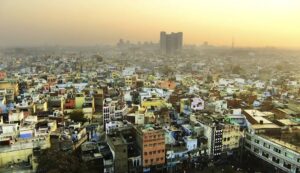
India’s capital is a sprawling metropolis that masterfully blends the past and the present. Old Delhi is a chaotic, vibrant labyrinth of historical sites like the Red Fort and Jama Masjid, while New Delhi showcases colonial architecture and modern governance. A walk through Humayun’s Tomb, a UNESCO site, reveals the magnificent precursors to Mughal architecture.
- Why it’s a Must-Visit: To witness the dramatic evolution of India, from ancient empires to a modern global power.
7. Agra, Uttar Pradesh (Taj Mahal)
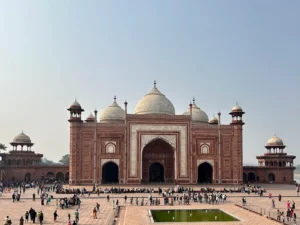
No list of Indian travel destinations is complete without the Taj Mahal. This monumental white marble mausoleum, built by Emperor Shah Jahan in memory of his wife Mumtaz Mahal, is the pinnacle of Mughal architecture and a global symbol of eternal love. Experiencing the Taj Mahal at sunrise or sunset is essential.
- Why it’s a Must-Visit: As one of the New Seven Wonders of the World and the ultimate global icon of India.
8. Jaipur, Rajasthan (The Pink City)

The capital of Rajasthan is a city of royal pomp and architectural splendor. Known as the Pink City because of the distinctive color of its buildings, Jaipur boasts magnificent forts (Amber Fort, Nahargarh Fort), opulent palaces (City Palace, Hawa Mahal), and bustling bazaars. It offers a living window into the aristocratic history of the Rajput kings.
- Why it’s a Must-Visit: To immerse yourself in the royal history, vibrant culture, and stunning Rajput architecture of Rajasthan.
9. Varanasi, Uttar Pradesh
Considered the spiritual capital of India, Varanasi is the oldest continuously inhabited city in the world. Life here revolves around the sacred River Ganga and its ghats (steps), where Hindu rituals of life and death take place. A sunrise boat ride and witnessing the Ganga Aarti ceremony at Dashashwamedh Ghat are profoundly moving, unforgettable spiritual experiences.
- Why it’s a Must-Visit: For a deep, unfiltered spiritual and cultural experience of ancient India’s enduring traditions.
10. Amritsar, Punjab (Golden Temple)
Amritsar is home to Harmandir Sahib, or the Golden Temple, the spiritual and cultural center of the Sikh religion. Clad in real gold, the temple sits serenely in the middle of the Amrit Sarovar (Pool of Nectar). The atmosphere of peace, service, and the vast community kitchen (langar), which feeds thousands daily, is truly inspiring. Don’t miss the powerful flag-lowering ceremony at the nearby Wagah Border.
- Why it’s a Must-Visit: To witness the breathtaking beauty of the Golden Temple and experience the profound Sikh culture of selfless service.
Section III: Tropical South (Beaches & Backwaters)
The southern states offer a dramatically different vibe—tropical climate, ancient Dravidian temples, and a relaxed, coastal way of life focused on spices, water, and deep history.
11. Kerala Backwaters (Alleppey/Alappuzha)

The backwaters of Kerala, particularly around Alleppey, are a unique network of tranquil canals, lakes, and lagoons. Cruising these waters on a traditional houseboat (kettuvallam) is an essential South Indian experience, allowing you to witness local village life, paddy fields, and coconut groves at a delightfully slow pace.
- Why it’s a Must-Visit: For a serene, slow-travel experience through a beautiful, unique tropical ecosystem.
12. Kanyakumari, Tamil Nadu
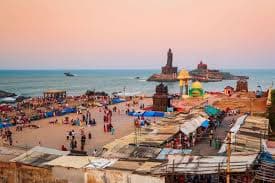
The southernmost tip of the Indian mainland, Kanyakumari, is a highly symbolic location where the Arabian Sea, the Bay of Bengal, and the Indian Ocean converge. It’s famous for its stunning sunrises and sunsets over the water. Offshore stands the impressive Vivekananda Rock Memorial and the Thiruvalluvar Statue.
- Why it’s a Must-Visit: To witness the geographical confluence of three major oceans and the unforgettable sunrise/sunset spectacle.
13. Hampi, Karnataka
Once the capital of the magnificent Vijayanagara Empire, Hampi is now a UNESCO World Heritage Site scattered with breathtaking ruins. The landscape is surreal, defined by massive, balancing boulders, ancient temples (like the Virupaksha Temple), and royal structures. Exploring this ancient city by bicycle offers a fantastic blend of history and adventure.
- Why it’s a Must-Visit: To explore the incredible, boulder-strewn landscape scattered with the magnificent ruins of a lost empire.
14. Goa (Beaches & Old Goa Churches)

Goa is India’s ultimate coastal escape, famous for its golden-sand beaches (from bustling Baga to tranquil Palolem), vibrant nightlife, and Portuguese heritage. Beyond the beaches, Old Goa offers a peek into the state’s colonial past with magnificent churches and cathedrals, including the Basilica of Bom Jesus, which holds the relics of St. Francis Xavier.
- Why it’s a Must-Visit: For the perfect blend of relaxed beach culture, vibrant nightlife, and unique colonial history.
15. Madurai, Tamil Nadu (Meenakshi Amman Temple)
Madurai is one of the oldest inhabited cities in the world and the center of Tamil culture. Its jewel is the Meenakshi Amman Temple, an architectural masterpiece of the Dravidian style. The temple complex is massive, featuring towering gopurams (gateways) covered in thousands of brightly painted deities and sculptures, showcasing vibrant, living temple traditions.
- Why it’s a Must-Visit: To witness a spectacular example of living Dravidian temple architecture and South Indian religious culture.
Section IV: Western Wonders (Desert, Coast, & Caves)
Western India is a tapestry woven with extremes—from the bone-dry salt marsh to the glittering megacity and the ancient rock-cut caves, providing stark contrasts in culture and environment.
16. Rann of Kutch, Gujarat
The Great Rann of Kutch is a spectacular salt marsh that becomes a vast, white, cracked desert during the dry winter months. This surreal, blindingly white landscape is unique in the world. It comes alive during the Rann Utsav festival, a celebration of Gujarat’s vibrant culture, handicrafts, and folk music against the backdrop of the ethereal white void.
- Why it’s a Must-Visit: To experience the surreal, white, crystalline desert landscape, especially under the full moon.
17. Mumbai, Maharashtra

As India’s financial powerhouse, entertainment capital, and most populous city, Mumbai is a dynamic, energetic metropolis that never sleeps. The Gateway of India, Marine Drive, and the historic Colaba area showcase their colonial legacy. Visiting Dharavi offers a humbling look at community spirit, while Bollywood provides endless glamour.
- Why it’s a Must-Visit: To feel the pulse of modern, fast-paced India and its complex social fabric.
18. Ajanta & Ellora Caves, Maharashtra
These two UNESCO World Heritage Sites are a testimony to India’s artistic and religious tolerance. Ajanta is famous for its exquisite Buddhist rock-cut cave paintings (frescoes). Ellora is known for its remarkable rock-cut temples representing Buddhism, Hinduism, and Jainism, including the awe-inspiring Kailasa Temple, which was carved top-down from a single rock.
- Why it’s a Must-Visit: To witness some of the finest surviving examples of ancient Indian art and monolithic architecture.
19. Udaipur, Rajasthan (City of Lakes)
Often called the “Venice of the East,” Udaipur is arguably the most romantic city in India. It is framed by the Aravalli Hills and centered around a series of artificial lakes. The white marble architecture, including the famous Lake Palace (now a luxury hotel) and the majestic City Palace, creates a stunning, regal atmosphere.
- Why it’s a Must-Visit: For its unmatched romance, breathtaking lake views, and magnificent Rajput palaces.
20. Jaisalmer, Rajasthan (The Golden City)
Deep in the Thar Desert, Jaisalmer is a mesmerizing city dominated by its massive, sand-colored fort, which appears to rise organically from the desert floor. The fort is unique because it is still inhabited, making it a living heritage site. The city is famous for its intricately carved havelis (mansions) and exhilarating desert safaris, including dune bashing and camel rides.
- Why it’s a Must-Visit: To explore a living sandstone fort and experience the magic of the vast Thar Desert.
Section V: Eastern Charm (Culture & Wilderness)
Eastern India is marked by lush river deltas, deep cultural traditions centered on literature and arts, and unique wildlife sanctuaries, offering a slower, more intense travel experience.
21. Kolkata, West Bengal
Kolkata, the former capital of British India, is the country’s cultural and intellectual heart. The city is defined by its grand colonial architecture (Victoria Memorial), bustling flower markets, historic trams, and rich literary legacy. It is a city of passionate intellectuals, incredible street food, and enduring old-world charm, often described as having a visible soul.
- Why it’s a Must-Visit: To experience the raw, vibrant, intellectual, and deeply emotional culture of West Bengal.
22. Darjeeling, West Bengal

Famous for its world-renowned tea plantations and the stunning views of the Himalayan peaks, Darjeeling is a picturesque hill station. Riding the UNESCO World Heritage Darjeeling Himalayan Railway (the Toy Train) is a nostalgic experience. The sunrise view over Kanchenjunga (the third-highest peak in the world) from Tiger Hill is a truly breathtaking spectacle.
- Why it’s a Must-Visit: For the iconic Toy Train ride, the world-class tea, and the spectacular sunrise views over Kanchenjunga.
23. Kaziranga National Park, Assam
A UNESCO World Heritage Site, Kaziranga is the primary sanctuary for the endangered Great One-Horned Rhinoceros, housing two-thirds of the world’s population. Safaris (both elephant and jeep) offer thrilling encounters with rhinos, wild buffalo, elephants, and numerous bird species. It offers an incredible, raw jungle experience.
- Why it’s a Must-Visit: For an essential Indian wildlife safari and the opportunity to see the one-horned rhinoceros up close.
24. Konark Sun Temple, Odisha
Dedicated to the Sun God Surya, this 13th-century temple is an architectural marvel designed in the shape of a colossal chariot with twelve pairs of intricately carved wheels. Though partly in ruins, the sheer scale and detailed sculptures—including famous erotic carvings—make it an exceptional example of Kalinga architecture and devotion.
- Why it’s a Must-Visit: To witness a spectacular, detailed representation of an ancient astronomical and architectural achievement.
25. Puri, Odisha (Jagannath Temple)
Puri is one of the four Char Dham pilgrimage sites for Hindus. It is dominated by the Jagannath Temple, a sacred site known for its annual Rath Yatra (Chariot Festival). The city’s long, sandy beaches and its deep spiritual atmosphere make it a significant destination blending coastal relaxation with fervent religious activity.
- Why it’s a Must-Visit: As a major Hindu pilgrimage center, and to witness the vibrancy of the ancient Jagannath Temple traditions.
Section VI: Central & Deccan Plateau (Wilderness & Legacy)
This central region holds some of India’s most isolated yet historically rich sites, from ancient carvings hidden in forests to impressive Deccan fortifications and unique deltaic ecosystems.
26. Khajuraho, Madhya Pradesh
A UNESCO World Heritage Site, Khajuraho is famous for its group of Hindu and Jain temples. Built by the Chandela dynasty, these temples are renowned for their intricate, detailed, and often explicit erotic sculptures. Beyond the sensual art, the temples are magnificent examples of medieval Hindu architecture and philosophical depth.
- Why it’s a Must-Visit: To study the complex, magnificent medieval temple architecture and the famous intricate carvings that depict life and philosophy.
27. Bhimbetka Rock Shelters, Madhya Pradesh
Located near Bhopal, the Bhimbetka site is an archaeological treasure, featuring rock shelters containing vivid prehistoric cave paintings dating back to the Paleolithic and Mesolithic periods (up to 30,000 years old). These paintings depict early human life, hunting scenes, and rituals, offering a direct link to the dawn of human civilization in India.
- Why it’s a Must-Visit: To connect with the deep prehistory of humankind through incredibly ancient cave art.
28. Hyderabad, Telangana (Charminar & Legacy)
Hyderabad, the “City of Pearls,” perfectly represents the rich history of the Deccan plateau. The iconic Charminar (Four Minarets) is the city’s centerpiece, surrounded by the bustling Laad Bazaar. The nearby Golconda Fort stands as a testament to the region’s powerful Qutb Shahi dynasty and its history as a diamond trading center.
- Why it’s a Must-Visit: To experience the rich Deccan heritage, from the iconic Charminar to the flavorful Hyderabadi cuisine.
29. Sundarbans National Park, West Bengal
The Sundarbans are the largest mangrove forest in the world and a UNESCO World Heritage Site, shared with Bangladesh. It is the only place on Earth where Royal Bengal Tigers live in a mangrove habitat, swimming in the brackish water. Exploring this immense, complex delta by boat is a rugged, unforgettable wilderness adventure.
- Why it’s a Must-Visit: To explore the world’s largest mangrove delta and witness the unique habitat of the Royal Bengal Tiger.
30. Munnar, Kerala (Tea Gardens)
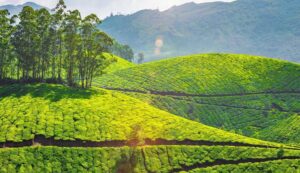
While Kerala is listed, Munnar deserves a separate mention for its stunning visual impact. Famous for its seemingly endless, bright green tea plantations that roll over the hills, Munnar offers a serene, cool escape. The Eravikulam National Park (home of the Nilgiri Tahr) and the spice plantations offer gorgeous views and pleasant hikes.
- Why it’s a Must-Visit: For the breathtaking scenery of rolling green tea gardens and a tranquil, mist-filled hill station experience.
Conclusion: The Journey Never Ends
India is a destination of impossible complexity and endless wonder. The 30 places listed above represent the geographical extremes, the cultural peaks, the spiritual centers, and the historical milestones of a civilization thousands of years in the making.
Whether you seek the adrenaline of Himalayan paragliding, the peace of a sunset on the Ganga, or the awe of a 1500-year-old fresco, India has a corner ready to reveal its magic. Start charting your path through these 30 destinations, and prepare to be transformed by the sheer diversity and depth of this truly epic subcontinent.

 to the South (Kerala, Hampi))